
Last updated October 15, 2026
 Whole-home duct cleaning
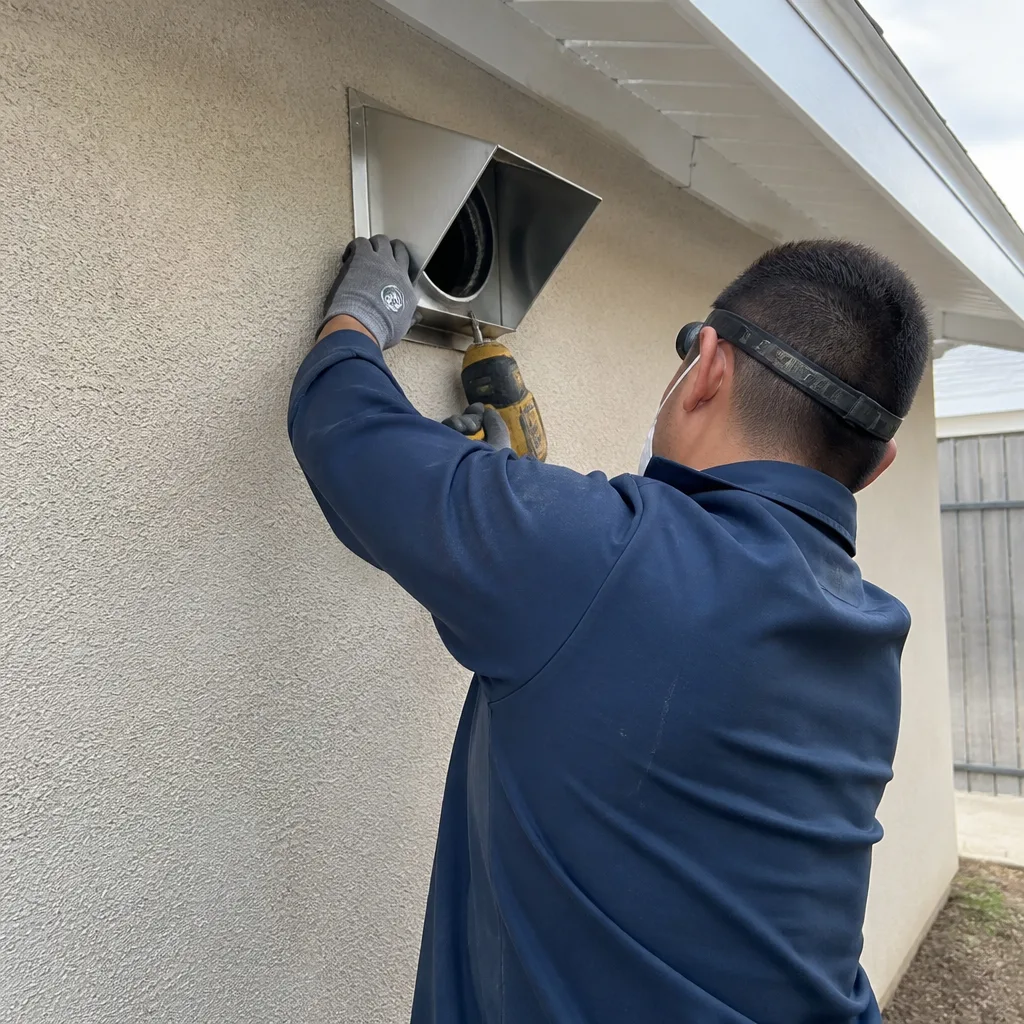
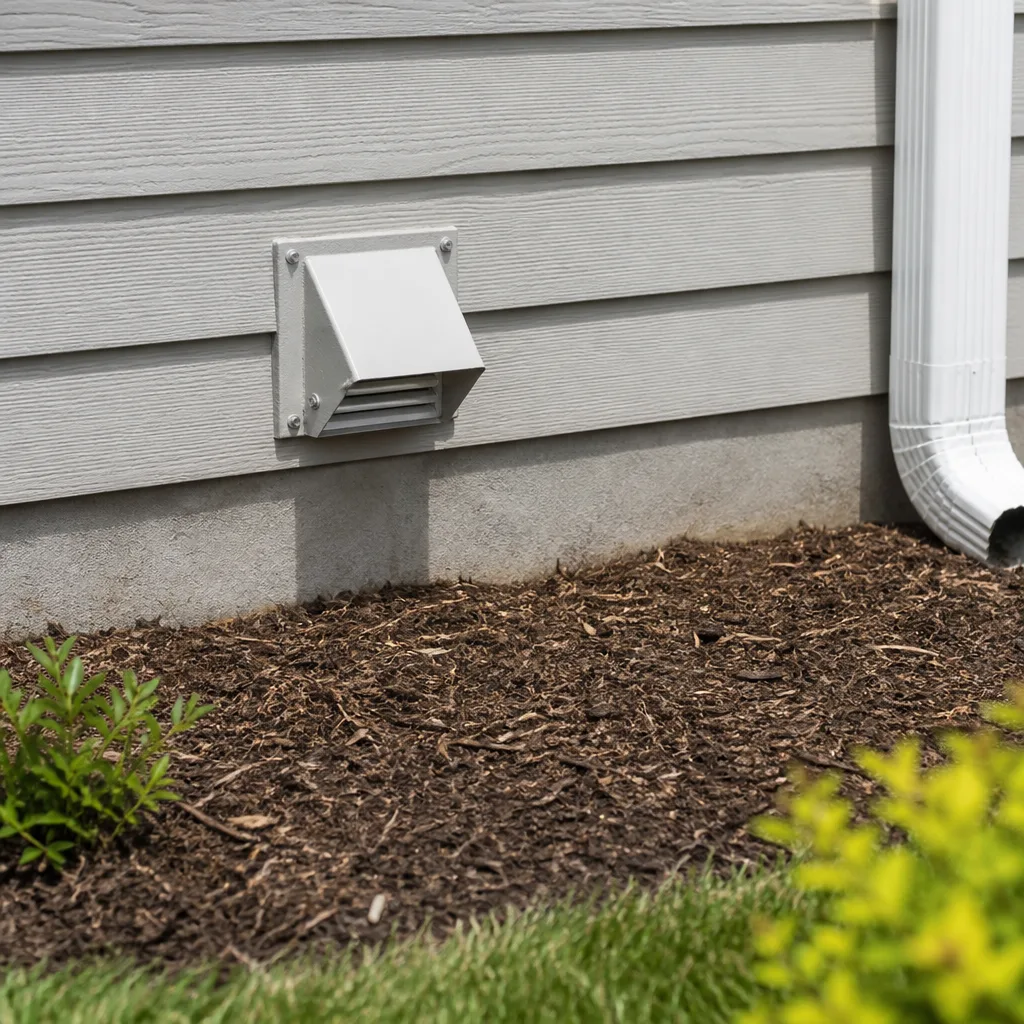 Dryer vent cleaning
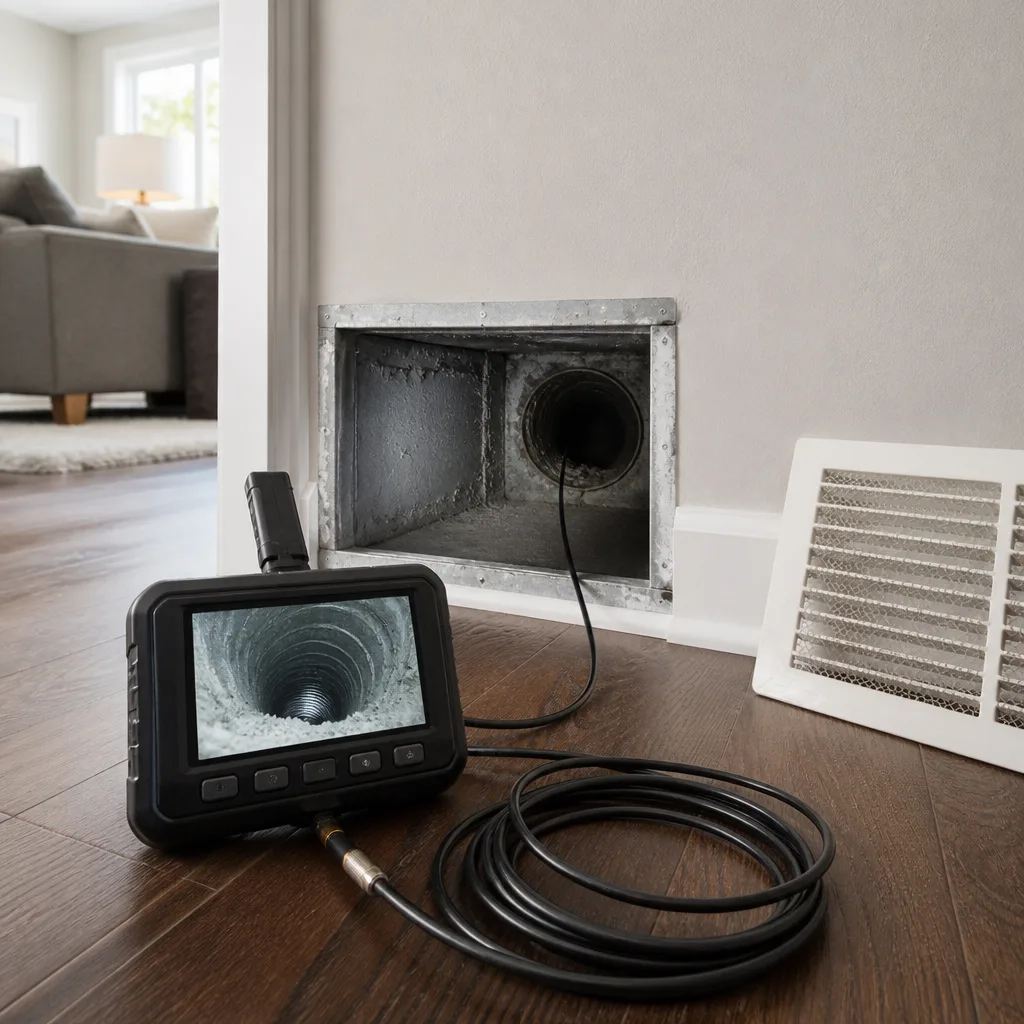 Camera inspection
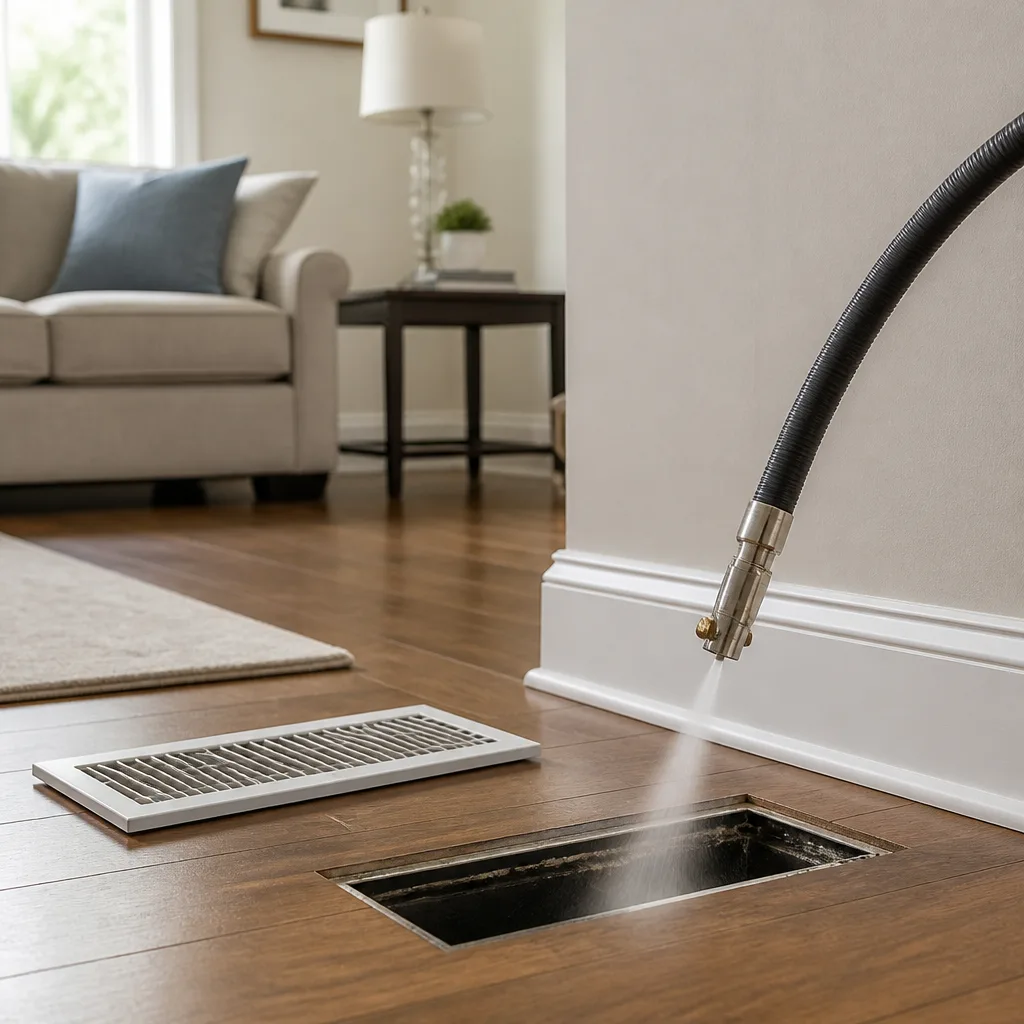 Sanitizing & deodorizing
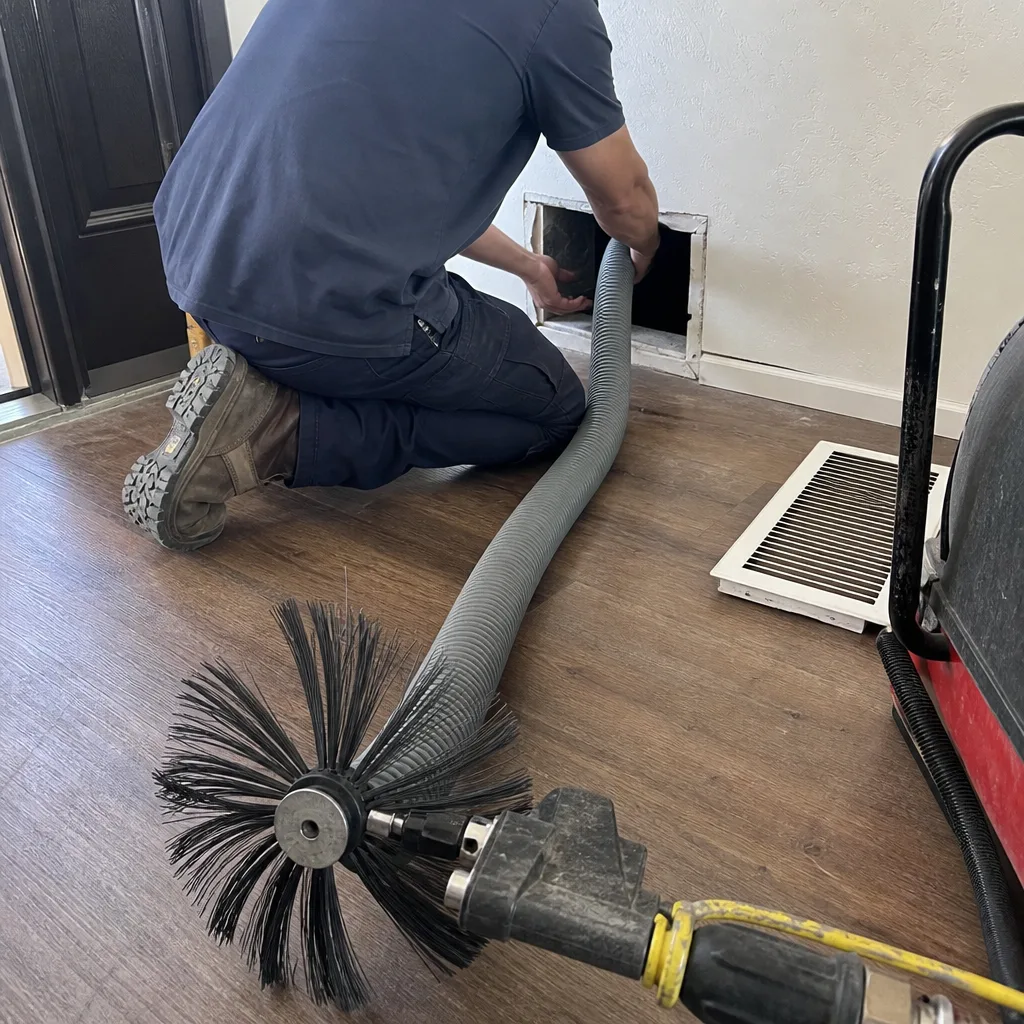
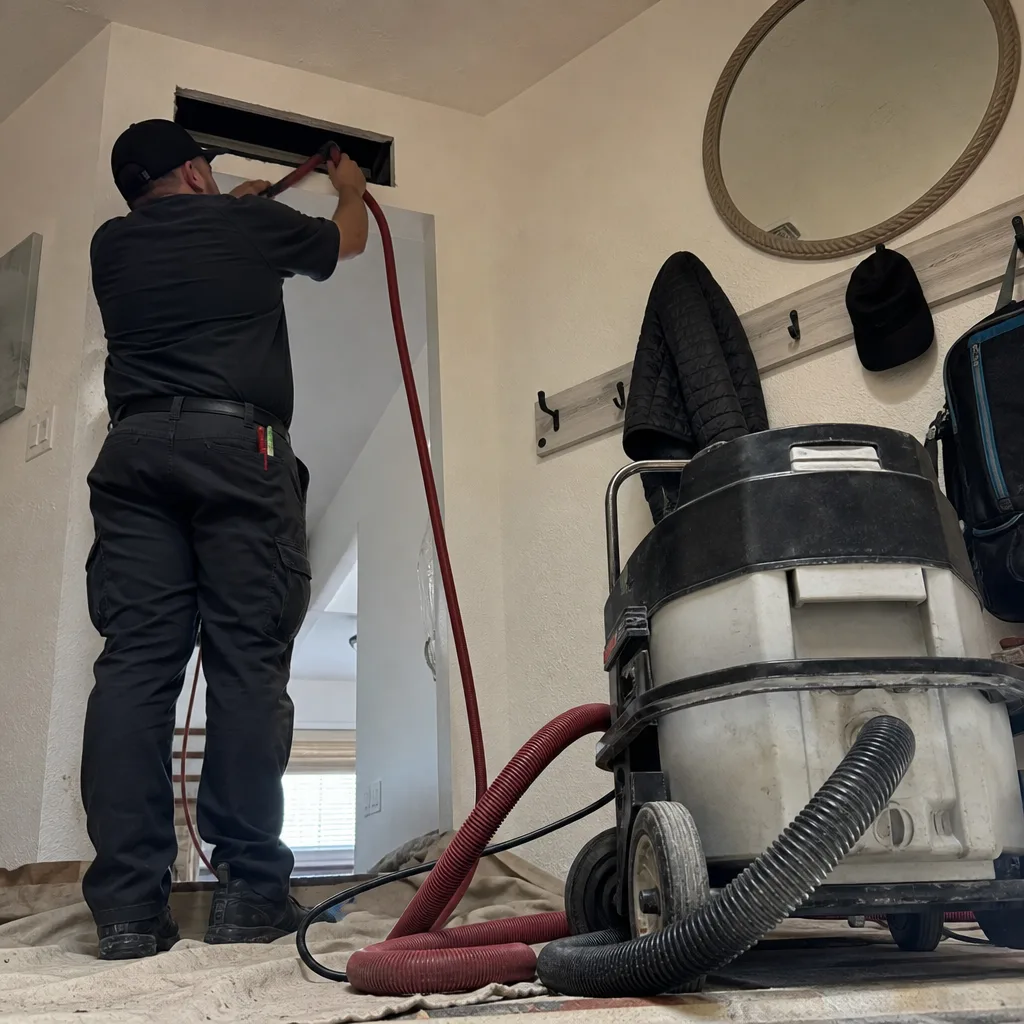
Whole-system duct and dryer vent check with before-and-after photos - you see exactly what came out of your vents
That "$99 whole-house special" is a bait ad - the real number appears once they are in your hallway, or the "clean" is a shop-vac at the register. We photograph the inside of your ducts before and after instead.
Air Duct Cleaning Maintenance Checklist for Ventura Homeowners
The average Ventura homeowner replaces their HVAC filter on a schedule printed on the filter packaging. That schedule was written for a generic U.S. climate, not a coastal city where the system runs year-round because temperatures rarely force a shutdown. This guide replaces the generic advice with a month-by-month maintenance checklist built for how Ventura homes actually operate, and it tells you exactly which visual and sensory checks to make at each register, what normal looks like, and when a finding means you should call a professional.
Styles & brands we work with
Quick Answer
A practical air duct maintenance checklist for Ventura homeowners includes monthly filter inspections, quarterly register and return grille checks, a post-Santa Ana wind inspection of outdoor intake areas, and Air Duct Cleaning every 3 to 5 years depending on household conditions. The most important monthly task is confirming your filter is clean and properly seated, and the most commonly skipped task is checking return-air pathways after high-wind events.
Table of Contents
- Monthly Maintenance Checks Every Ventura Homeowner Should Do
- Quarterly Checks That Catch Problems Early
- The Post-Santa Ana Wind Check Most Homeowners Skip
- Filter Selection for Ventura’s Coastal Air
- What Normal Looks Like at Each Register vs. What Warrants a Call
- How to Keep a Maintenance Log That Actually Helps You
- When to Monitor vs. When to Schedule a Professional
- Common Mistakes to Avoid
- When to Call a Professional
- Frequently Asked Questions
- The Bottom Line
Monthly Maintenance Checks Every Ventura Homeowner Should Do
These are the checks you can complete in about ten minutes with no tools beyond a flashlight and your phone’s camera. Do them on the first weekend of every month so the habit sticks.
1. Inspect the filter visually, not by the calendar
Remove the filter and hold it up to a light source. If you cannot see light through the filter material, it is clogged and restricting airflow, regardless of how many days the packaging said it would last. In Ventura, the marine layer brings consistent moisture, and moisture causes filter media to compress faster than in drier inland climates. Homes in the hills above Ventura near neighborhoods like Ondulando or Clearpoint often see higher dust accumulation from chaparral and dirt roads, while homes closer to the coast in Midtown or the Pierpont area deal with salt air and humidity. Both conditions shorten effective filter life.
If the filter looks matted down or has visible debris embedded in the pleats, replace it that day. If it looks dirty after only three weeks, do not wait for week four. Your system is telling you something about your air quality, and the filter is doing its job.
2. Confirm the filter is seated properly with no gaps
A filter that is the wrong size or installed at an angle allows unfiltered air to bypass it entirely. Every cubic foot of air that goes around the filter is a cubic foot of particulate that enters your supply ducts. Check all four edges of the filter slot. If you see daylight around the frame, you need a different size or a filter gasket. Write down the exact filter dimensions printed on the cardboard frame, and keep that note in your maintenance log. An improperly seated filter is one of the most common issues we see when called to homes in Ventura for air duct cleaning in Ventura.
3. Listen to the system during startup
Stand near a supply register when the system kicks on. You should hear smooth airflow, like a steady breath. A rattling noise often means a loose register face or debris in the duct. A whistling sound means airflow restriction, usually from a clogged filter or closed dampers in too many rooms. A clicking or ticking sound can indicate metal duct expansion, which is normal, but if it persists for more than a minute, note it in your log. These observations become valuable diagnostic information if you later need repairs.
4. Check one supply register per month, rotating through the house
Remove one supply register face each month and look inside with a flashlight. You are looking for visible dust accumulation on the duct walls, any signs of moisture staining, and any foreign material that should not be there. Rotate through rooms so that over the course of a year you have inspected every register in the home. This is a simple way to establish your own baseline without needing professional tools or training.
Quarterly Checks That Catch Problems Early
Every three months, expand your routine to include these checks. They take about thirty minutes total and they are the difference between a small issue and a service call. Ventura’s climate means your HVAC system does not get a true off-season the way systems do in Sacramento or the Central Valley, so quarterly checks matter year-round here.
1. Inspect all return-air grilles
Return grilles pull air from your living spaces back into the system, and they accumulate dust faster than supply registers because they are always intaking air. Remove each return grille and vacuum the surface with a brush attachment. Look behind the grille at the return duct opening. If you see a thick coating of gray dust on the duct walls or on the back of the grille itself, that particulate is circulating through your system constantly. This is the single clearest sign that professional cleaning is warranted, and it is one of the first places we inspect when we arrive at a Linden Air Duct Ventura home.
2. Check supply registers for moisture staining or corrosion
Coastal air in Ventura carries salt and moisture, and this accelerates corrosion on metal register faces, especially in homes within a mile of the ocean. Look for rust spots, white mineral deposits, or discoloration around the edges of each register. These indicate condensation forming inside the duct, which can lead to mold growth in the duct lining. If you see rust or mineral buildup on a register face, the inside of that duct run should be inspected professionally. Do not paint over it and move on. The register is showing you what is happening behind the wall.
3. Walk the outdoor condenser unit
Your outdoor AC condenser pulls air across its coils, and anything restricting that airflow reduces system efficiency and increases runtime. Check for leaves, grass clippings, and debris within two feet of the unit. In Ventura, ice plant and bougainvillea grow quickly along property lines and can encroach on the unit between quarter checks. Trim vegetation back and clear debris. A condenser working against restriction pulls more air through your ducts, which means more particulate movement through your system.
4. Run a five-minute test of the whole system
Set your thermostat to fan-only mode and let the system run for five minutes. Walk the house and feel the airflow at each supply register. Airflow should feel roughly similar from room to room. A noticeably weak register indicates a duct restriction, a damper issue, or a leak in that duct run. A room that feels significantly warmer or cooler than the rest of the house on fan-only mode points to the same problem. Log any weak registers and check them again next quarter. If they are still weak, it is time to schedule an inspection.
The Post-Santa Ana Wind Check Most Homeowners Skip
Santa Ana winds are a defining feature of life in Ventura County. They arrive in the fall and early winter, sometimes gusting to 60 or 70 miles per hour through the canyons, and they carry fine dust, ash, and particulate from inland areas toward the coast. Most homeowners think about Santa Ana winds in terms of fire risk and patio furniture cleanup, but almost no one thinks about their HVAC system afterward.
Here is why this matters: during a Santa Ana event, your outdoor air intake and the area around your outdoor condenser are exposed to a heavy load of airborne particulate. If your system pulls in that particulate and your filter is not rated for fine particles, a portion of that dust bypasses the filter and settles inside the plenum and supply ducts. The particulate then recirculates through your home for weeks after the winds stop.
Within 48 hours after a Santa Ana wind event ends, do the following:
- Inspect the filter immediately. Even if you changed it the week before, check it after a wind event. Santa Ana particulate will dirty a filter in days.
- Check the area around your outdoor unit. Remove wind-driven debris, leaves, and any ash that accumulated against the unit.
- Look at the weather stripping around exterior doors and windows. Wind-driven dust enters your home through gaps, and that dust eventually ends up in your return-air stream.
- Check one return grille in a room that faces the wind. If you see heavy dust accumulation on the grille, that is confirmation that wind-driven particulate entered your home and likely entered your ducts.
- Run the system in fan-only mode for ten minutes. Listen for any change in airflow sound, and note whether you smell dust. A dusty smell after a Santa Ana event is a very specific symptom that particulate has settled in the ductwork.
If the filter is heavily soiled and you detect a dust smell during fan-only operation, the particulate has likely reached the plenum. At that point, changing the filter alone will not remove what has already settled inside the ductwork. This is the single most common pathway to needing professional air duct repair in Ventura or cleaning that we see in Ventura homes after wind season.
Filter Selection for Ventura’s Coastal Air
The filter you choose has a direct impact on how often you need professional duct cleaning. A filter is a barrier, and the quality of that barrier determines what reaches your ductwork. This is not a place to save four dollars.
For most Ventura homes, a MERV 8 filter is the minimum we recommend, and a MERV 11 is appropriate for homes with pets, allergy sufferers, or residents with respiratory conditions. These ratings refer to the filter’s ability to capture particles of specific sizes. A MERV 8 captures pollen, dust mites, and mold spores. A MERV 11 adds finer particles including pet dander and some smoke particles. Filters above MERV 13 can restrict airflow in standard residential systems and are generally unnecessary unless a medical condition requires hospital-grade filtration.
The key variable in Ventura is humidity. Coastal humidity causes filter media to absorb moisture, which reduces airflow and can promote microbial growth on the filter surface itself. This is one reason we work with air-quality products from manufacturers including Honeywell and Aprilaire, whose filter media are designed to perform consistently in humid environments. A filter that collapses or mats down under moisture load stops filtering effectively, and every day it operates that way is a day unfiltered air moves through your system.
Here is a simple rule: buy filters in packs of three, and write the installation date on the cardboard frame with a permanent marker. This removes the guesswork from filter changes and gives you an accurate record of actual filter life in your specific home. A filter that lasts five months is worth knowing about, just as a filter that clogs in three weeks is a signal your air quality situation is worse than you thought.
What Normal Looks Like at Each Register vs. What Warrants a Call
One of the most useful things a homeowner can do is learn what a healthy register looks like, so that abnormal conditions stand out immediately. Most people never look at their registers closely enough to know what their personal baseline is.
What normal looks like
- Dust on the register face: A light coating of household dust on the outside of the register face is completely normal. This is dust settling out of room air, not dust coming from your ducts.
- Cool air at supply registers in cooling mode: Supply air should feel noticeably cooler than room air, typically by 15 to 20 degrees.
- Faint mechanical sound during operation: Air moving through properly sized ducts sounds like a steady low hum. No banging, no whistling.
- No visible dust on the register blades themselves: The blades of a supply register should not have accumulated dust. Air moving out of the register prevents settling there. Dusty blades suggest the system has been off for an extended period or airflow is very weak.
What warrants a call
- Visible dust blowing from the register during operation: If you hold a white tissue near a supply register while the system runs and you see fine particles, the ducts are contaminated.
- Black or dark streaking around the register edges: This is often mold or heavy particulate accumulation from inside the duct, and it requires professional assessment.
- Musty or sour odor when the system runs: Odors that appear only when the system operates are coming from inside the system, not from the room.
- Water staining on ceilings or walls near register locations: This indicates condensation inside the duct run or a leak that is wetting the duct insulation.
- Increased dust accumulation in the room despite regular filter changes: If you are dusting furniture twice as often as you did six months ago with no change in your filter routine, the system is likely distributing particulate.
Trust your senses. You know your home better than any technician does on a first visit. If something smells wrong, looks wrong, or sounds wrong, log it and make the call. The cost of a professional assessment is minor compared to the cost of ignoring a developing problem.
How to Keep a Maintenance Log That Actually Helps You
A maintenance log is not a chore for the sake of being organized. It is a document that proves your system’s history, protects your warranty, and gives any technician who works on your home a clear picture of what has happened over time. A good log saves hours of diagnostic time and prevents repeated misdiagnosis.
Keep your log in a simple notebook, a notes app on your phone, or a spreadsheet. The format matters less than consistency. Log these five things every time you perform a maintenance check:
- Date and filter change. Note the filter brand, MERV rating, and the condition of the old filter when removed (clean, lightly soiled, heavily soiled, matted, damp).
- Airflow observations. Note any register that felt weak, any unusual sounds, and any temperature differences between rooms.
- Visual findings. What you saw when you looked behind registers and return grilles. Photographs help here, and most phones make this easy.
- Weather events. Note Santa Ana wind events, wildfire smoke days, or any unusual outdoor conditions that could have affected your system.
- Service visits. Every professional visit, including what was done, what was found, and what the technician recommended.
This log has real financial value. If you sell your home in Ventura, a documented maintenance history is a meaningful selling point, particularly in competitive neighborhoods where buyers ask about deferred maintenance. If you file a warranty claim on your HVAC equipment, manufacturers often require proof that you maintained the system according to their guidelines. A log that shows consistent filter changes and professional service visits satisfies that requirement. It is the difference between a warranty claim that gets approved and one that gets denied for unverifiable maintenance.
We also recommend keeping your log near the indoor air handler or taped to the inside of a utility room cabinet door. If a technician is working on your system and you are not home, the log is right there for them. This is the kind of practical step that saves you from repeating yourself to every company that visits your home.
When to Monitor vs. When to Schedule a Professional
Every checklist finding falls into one of two categories: continue to monitor, or schedule a professional now. Getting this distinction wrong in either direction costs you money, either in unnecessary service calls or in deferred problems that get more expensive to fix.
Monitor these findings
- Light dust on register faces. Clean the register and check again next month. If it returns quickly, escalate to a call.
- Faint musty smell that appears briefly at system startup and disappears within a minute. This can indicate condensate on the cooling coil that evaporates quickly. Log it and note whether it persists or worsens.
- One room that is slightly warmer than the rest of the house. Check the damper position on that duct run and ensure the register is fully open. Monitor for a month before calling.
- Occasional rattling from one register when the system starts. Tighten the register face screws. If the rattle stops, you are done.
Schedule a professional for these findings
- Visible mold growth on any surface inside a duct. This is not a monitor situation. Mold in ductwork affects air quality throughout the home and should be assessed by a professional who can determine whether cleaning or duct replacement is needed.
- Water pooling or standing moisture inside a duct run. This indicates a leak, a condensation problem, or a failed duct connection. Water inside ducts damages duct insulation and creates conditions for mold.
- Debris inside ducts beyond fine dust. Construction debris, pest droppings, or large particles inside ducts require professional removal. Pest droppings in ducts are a health concern and typically indicate an entry point that also needs to be sealed.
- A sudden and persistent change in system sound. A new banging, grinding, or metallic scraping sound that does not stop after the first minute of operation indicates a mechanical problem that will not fix itself.
- Dust accumulation on furniture within days of cleaning, combined with normal filter changes. This pattern strongly suggests the ductwork is the source, and no amount of surface cleaning will solve the underlying issue.
When in doubt, get a professional assessment. A reputable company will tell you if the finding is minor and does not require service. That is what you want from a professional: an honest answer, not a sales pitch. At Linden Air Duct Ventura, we regularly tell homeowners that a symptom is normal and no service is needed. That is how trust gets built, and it is exactly how dryer vent cleaning in Ventura conversations should go too, honest first, service second.
Common Mistakes to Avoid
- Following the filter packaging schedule instead of your own observations. Filter packaging is written for a national audience. Your Ventura home has its own dust load, humidity level, and runtime. Check the filter monthly and replace it when it is dirty, not when the calendar says to.
- Closing registers in unused rooms to save energy. This increases static pressure in the duct system and forces your blower to work harder. It can also push conditioned air through existing duct leaks. Keep registers open and control comfort with your thermostat instead.
- Using the most expensive high-MERV filter you can find without checking system compatibility. High-MERV filters restrict airflow in standard residential systems. If your system was not designed for a MERV 13 filter, you are reducing airflow and increasing energy consumption while gaining little air quality benefit.
- Ignoring the outdoor condenser because it is “outside and fine.” The condenser is half your HVAC system. Debris buildup on the coils reduces efficiency and increases runtime, which increases particulate movement through your ducts. Check it quarterly.
- Assuming a dusty house means dirty ducts without checking the filter first. If your filter is clogged and allowing bypass, the fix is a proper filter and a sealed filter slot, not necessarily a full duct cleaning. Diagnose before you act.
- Waiting until a smell or visible problem appears before calling anyone. By the time a duct problem is visible or smellable, it has usually been developing for months or years. Regular visual checks catch problems before they reach that stage.
- Skipping the post-Santa Ana check because “the filter looked fine.” Santa Ana particulate is fine enough to pass through standard filters even when the filter looks okay. The dust smell test after a wind event is the most reliable indicator, and most homeowners skip it.
When to Call a Professional
Call a professional when you see moisture inside ducts, visible mold growth, debris that is not household dust, persistent musty odors during system operation, or a sudden mechanical sound that does not resolve. These are not monitor-and-wait situations. They are signs that something inside your duct system has changed, and that thing is either affecting your air quality or damaging your equipment. A professional assessment gives you a clear answer and a written plan, and it costs far less than a full system replacement that becomes necessary because a small problem was ignored. If you are in Ventura, Linden Air Duct Ventura offers free estimates and will tell you honestly whether service is needed. Call (559) 315-0418 to schedule an assessment.
Frequently Asked Questions
Most Ventura homes benefit from professional air duct cleaning every 3 to 5 years. Homes with pets, smokers, recent remodeling, or residents with allergies or respiratory conditions should clean every 2 to 3 years. Homes within a mile of the coast may need more frequent cleaning because salt air and humidity accelerate particulate accumulation and create conditions for microbial growth in ductwork.
Air duct cleaning in Ventura typically costs between $350 and $650 for a standard single-family home, depending on the number of systems, the home’s square footage, and the level of contamination. Homes with significant mold, pest debris, or construction debris may exceed that range. Linden Air Duct Ventura puts the price in writing before any work begins, so you know the exact cost before the technician starts. Call (559) 315-0418 for a free estimate.
Air Duct Cleaning Warning Signs: A Ventura Homeowner’s Reference Guide include visible dust blowing from supply registers during operation, black or dark streaking around register edges, musty odors that appear only when the system runs, and dust accumulating on furniture within days of cleaning even with regular filter changes. If you see any of these signs, it is worth a professional assessment.
You can clean register faces, return grilles, and the first few inches of visible duct opening with a vacuum and brush attachment. You cannot effectively clean the interior of duct runs without professional negative-pressure extraction equipment, which uses powerful vacuum systems from brands like Nikro to pull debris out of the entire duct system. Attempting to clean deep duct interiors with household tools will not remove accumulated particulate and can damage duct lining.
No. A high-quality filter reduces the amount of new particulate entering your ducts, but it does nothing to remove particulate that has already accumulated there. Every home accumulates some dust in its ductwork over time, and homes in Ventura accumulate it faster than average due to Santa Ana wind events, coastal humidity, and year-round system operation. Filter maintenance delays the need for cleaning but does not eliminate it.
The Threshold Standard is the verification protocol that Linden Air Duct Ventura applies to every technician who enters your home. Every technician is background-checked, identity-verified, photo-badged, and introduced by name and photo before the visit. When the technician arrives, they show a photo ID badge at the door. This matters because duct cleaning requires letting a stranger into your home, often for several hours, and you deserve to know exactly who that person is before you open the door.
The Bottom Line
A useful air duct maintenance checklist for Ventura homeowners-one of our more guides & resources-is built around observation, not just scheduling. Check your filter monthly and replace it when it is dirty, not when the calendar says to. Inspect registers and return grilles quarterly and learn your home’s normal baseline. Perform the post-Santa Ana wind check within 48 hours of every wind event, because that is the moment particulate bypasses your filter and enters the plenum. Keep a written log of everything you observe, because that log protects your warranty and speeds up diagnosis later. And when a finding crosses from monitor to concern, call a professional who will tell you the truth about whether service is needed. Linden Air Duct Ventura has been serving Ventura since 2004 with written pricing before every job and a written guarantee on every repair, and we are a phone call away at (559) 315-0418.
Written by Marcus Veale, Owner at Linden Air Duct Ventura, serving Ventura since 2004.
See the difference
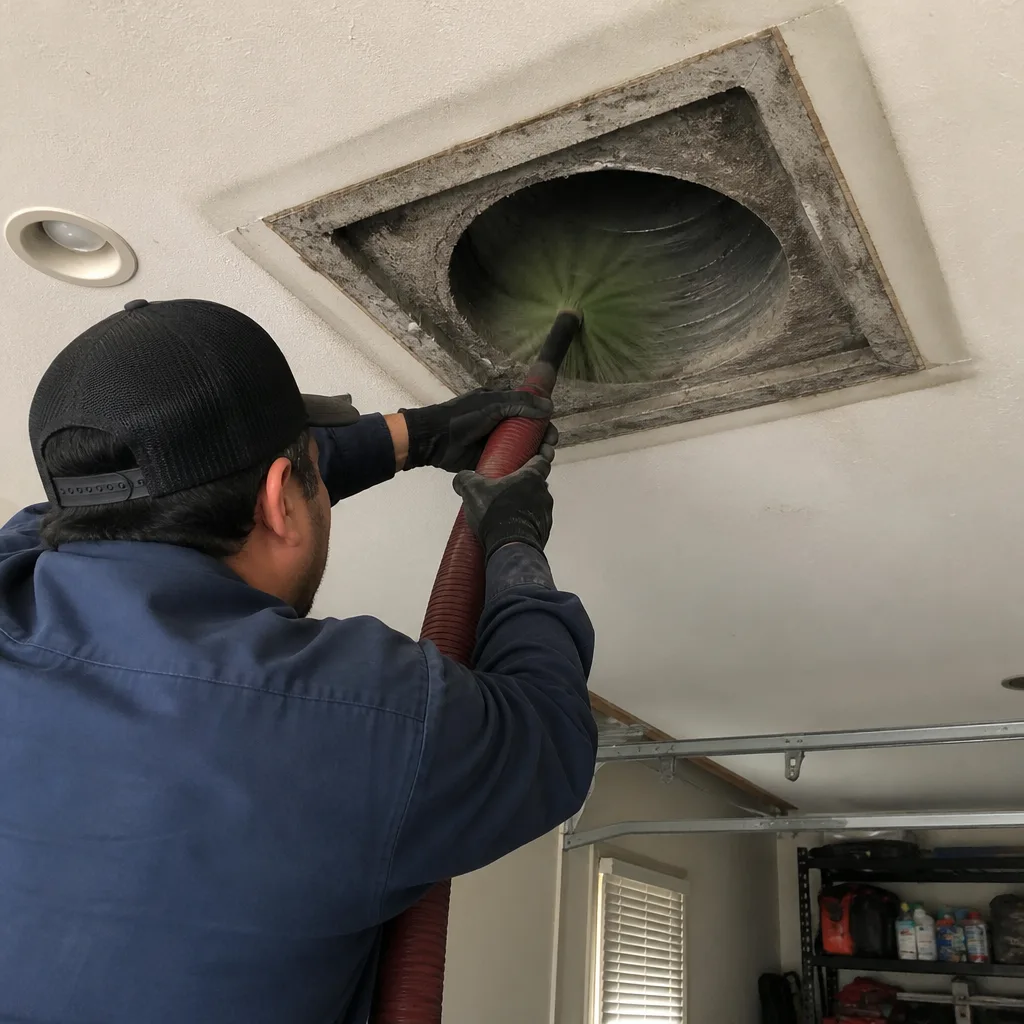 Before
 After
After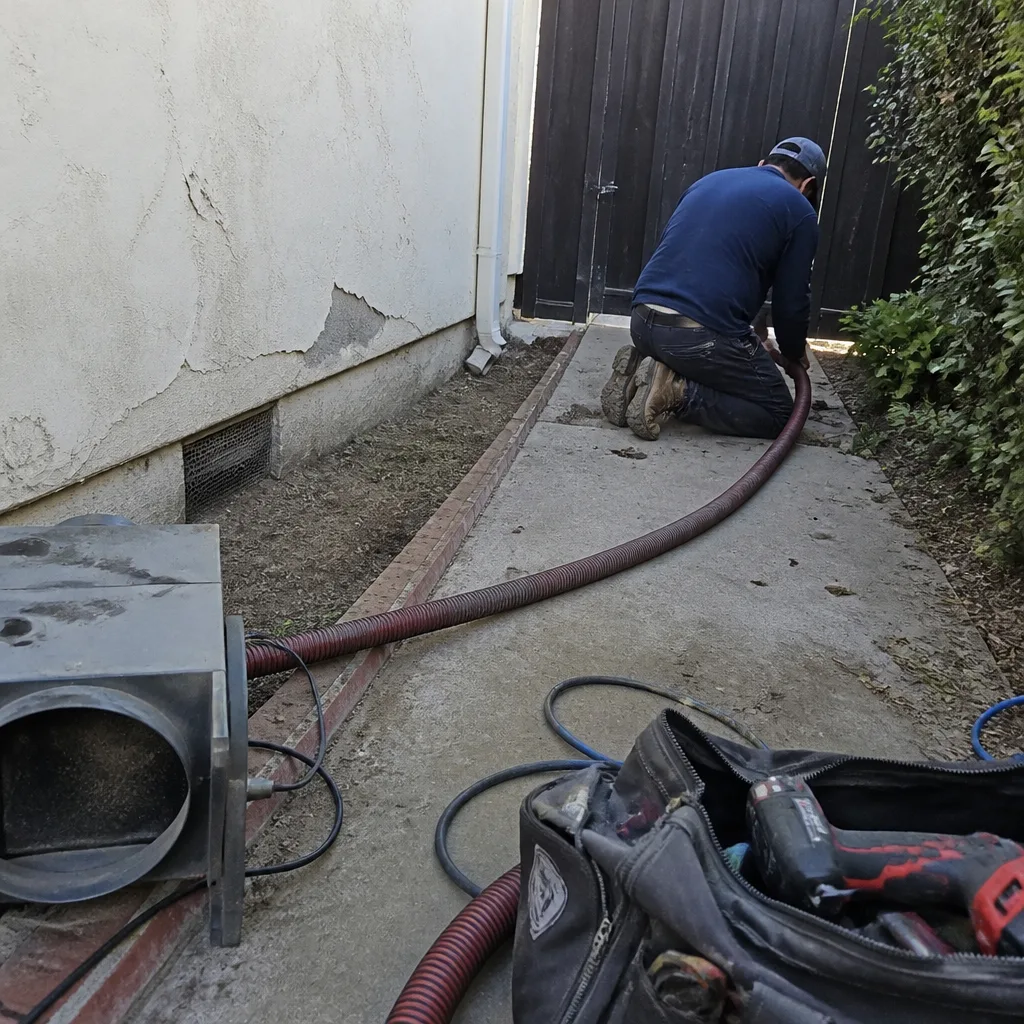 Before
 After
After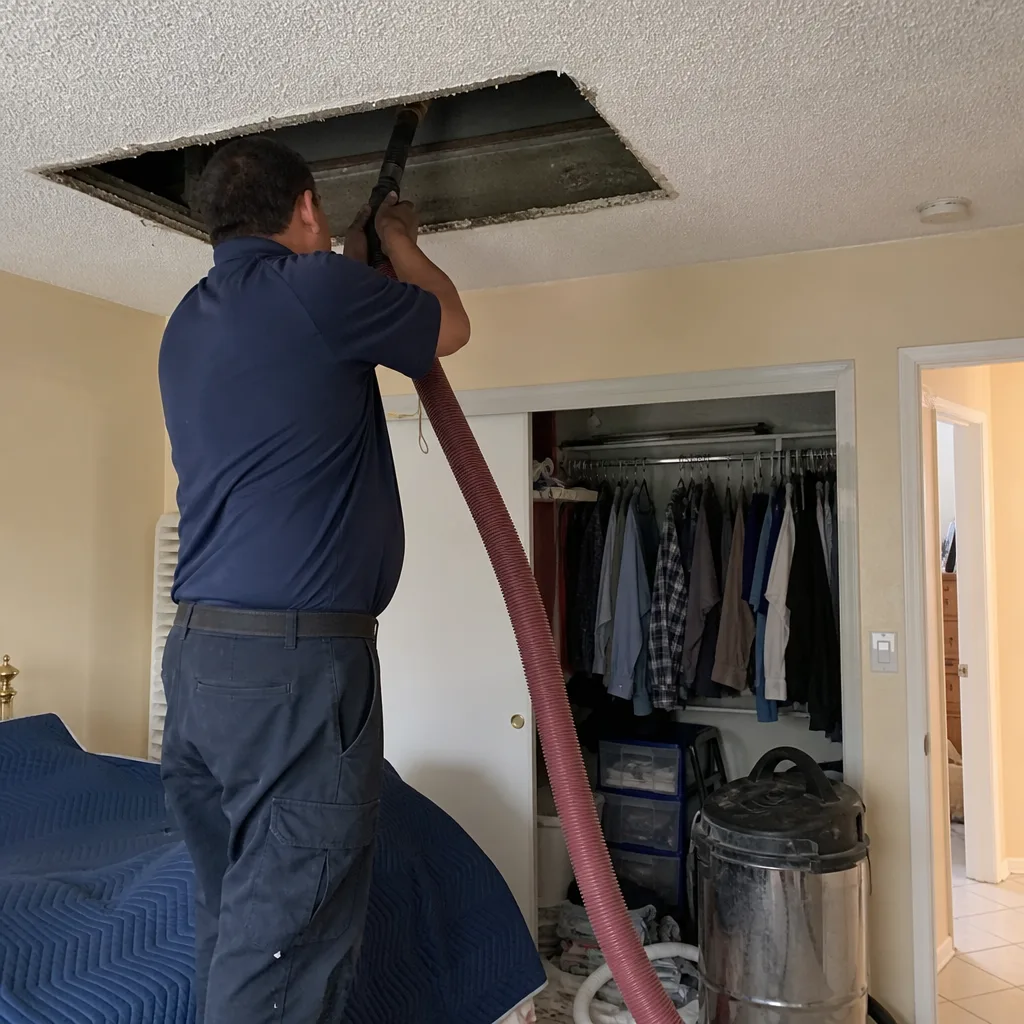 Before
 After
After